
Meta unveiled expansions for its electromyography (EMG) neural wristband at CES 2026, demonstrating applications beyond its smart glasses.
The company has developed EMG technology for years. In 2025, Meta introduced it commercially in its Ray-Ban Display glasses. Users control the glasses with a neural band that detects subtle wrist muscle movements.
At CES 2026, Meta showcased the neural band controlling devices outside the smart glasses lineup. The company partnered with Garmin and several research organizations to test new applications for the wrist-based controller.
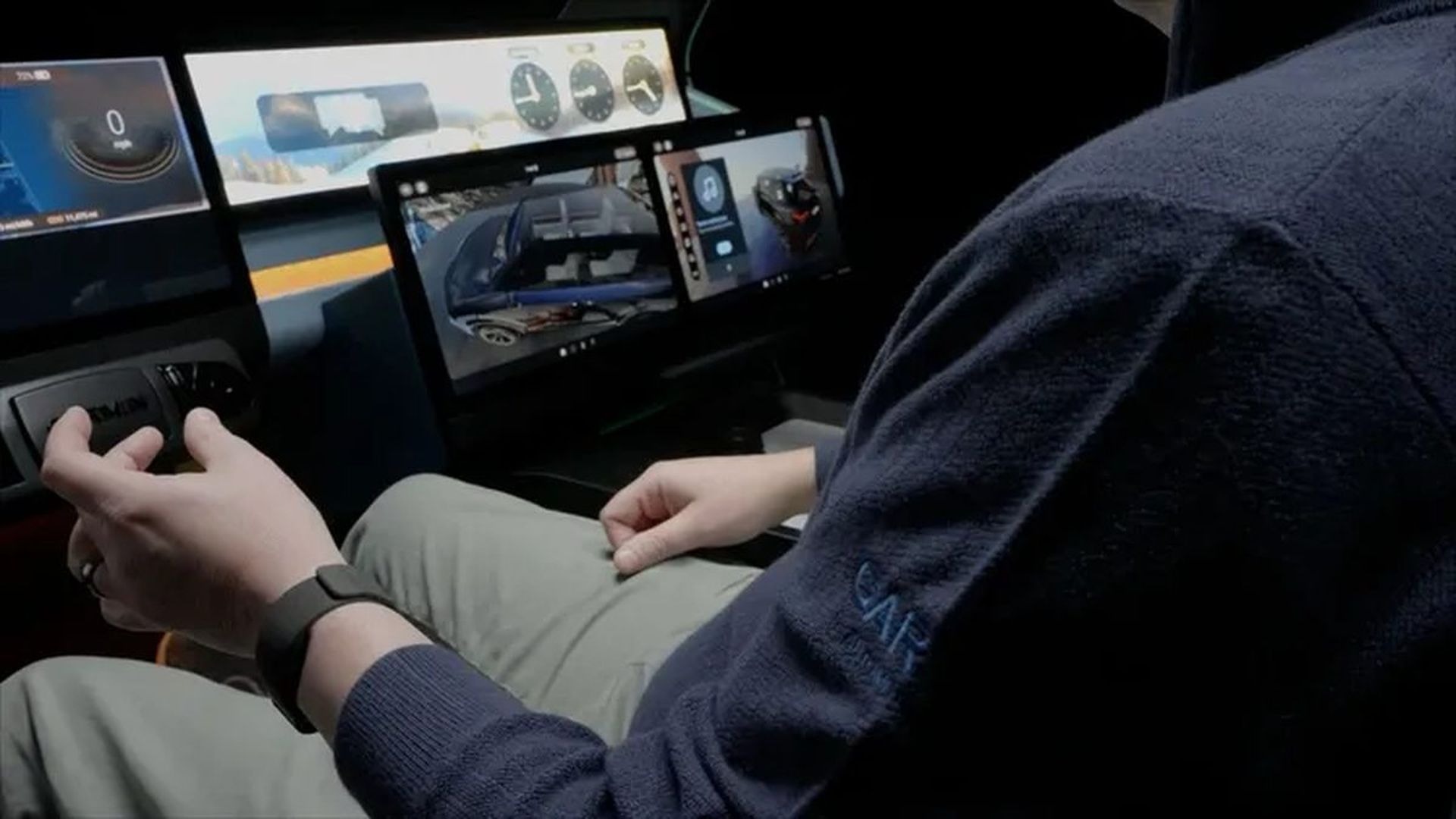
Meta and Garmin previously collaborated on fitness features for the glasses. During CES, they presented an early demonstration of the neural band integrated into a car. The setup allowed control of a touchscreen infotainment system as part of Garmin’s “Unified Cabin” concept.
In the demo, participants wore the neural band to navigate two apps on the display. One app used pinch and swipe gestures to manipulate a 3D model of a car, similar to zooming images on the display glasses. The second app was a game of 2048, controlled by swipe gestures to move tiles.
Garmin, which supplies infotainment systems to major car brands, plans to explore the neural band for vehicle functions. These include rolling down windows and unlocking doors.
Meta also announced a research partnership with the University of Utah. The collaboration focuses on EMG applications for individuals with ALS, muscular dystrophy, and other conditions impairing hand use.
Researchers will test neural band gestures to operate household devices such as smart speakers, blinds, thermostats, and locks. “Meta Neural Band is sensitive enough to detect subtle muscle activity in the wrist — even for people who can’t move their hands,” Meta stated in a blog post.
The University of Utah team will examine mobility uses. This includes adapting the TetraSki program, which currently relies on a joystick or mouth-based controller, to the neural band for skiing participants.