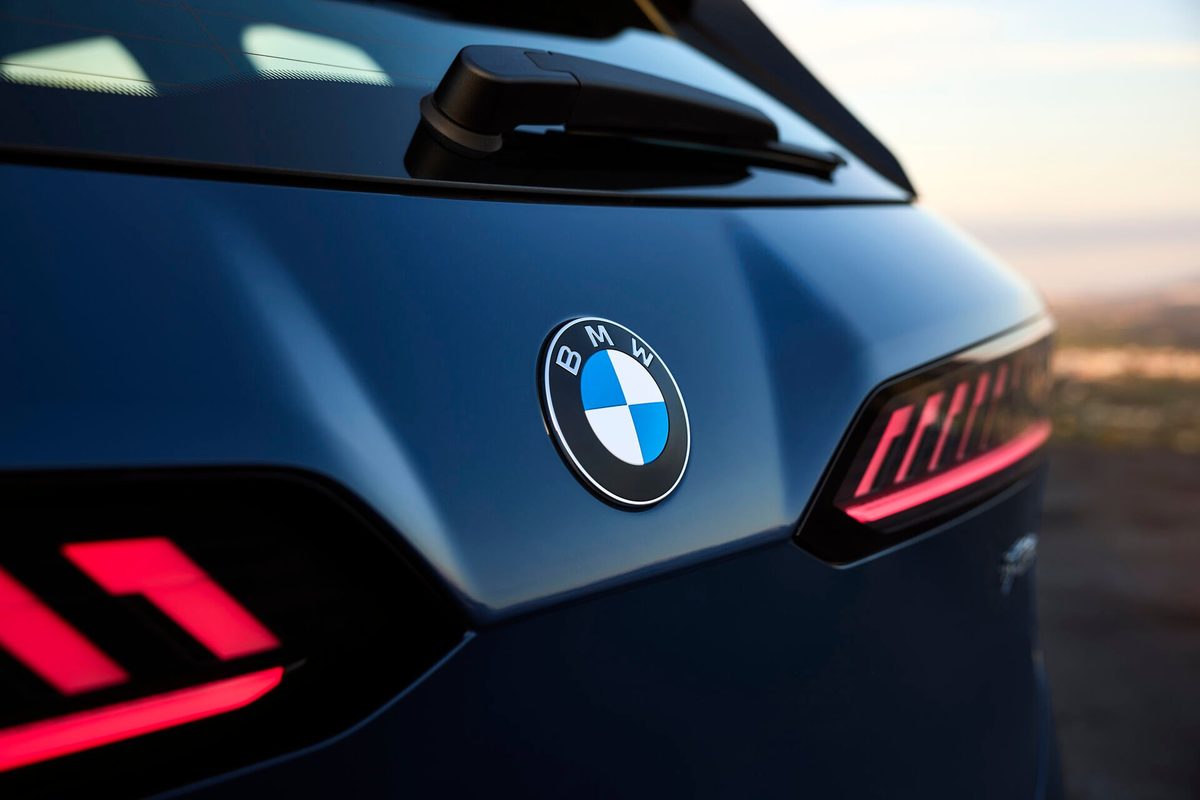

In a subtle evolution of its branding, BMW has finally applied its simplified 2020 logo design to its vehicles, marking a quiet but significant update in the automotive industry’s ongoing logo refresh trend. Over the past decade, numerous car brands have adopted flatter, more digital-friendly emblems while retaining their heritage, with BMW’s 2020 redesign widely regarded as one of the decade’s strongest examples.
The change debuted last week at the Munich Motor Show with the launch of the new iX3 electric SUV. Although the 2020 logo—a streamlined version of the iconic roundel—has appeared in BMW’s advertising and digital materials for nearly five years, it had not yet graced the cars themselves. Previously, vehicle emblems featured ornate details like chrome borders around the outer ring and grey dividing lines separating the blue and red inner quadrants, creating a more three-dimensional, decorative appearance.
The iX3’s emblem strips away these elements, eliminating the chrome layers, borders, and lines for a truly flat, minimalist shape that aligns seamlessly with the brand’s digital aesthetic. This refinement ensures consistency across BMW’s identity, from online platforms to physical vehicles, addressing a long-standing discrepancy that other automakers have also navigated during rebranding efforts.
The update flew under the radar among BMW enthusiasts, only gaining attention through a report by Carscoops over the weekend. As the industry continues to prioritize versatile, screen-optimized designs, BMW’s move exemplifies a commitment to modernizing without sacrificing its storied propeller-inspired motif—despite occasional fan debates over its origins.
This development comes amid broader trends where brands like Range Rover have faced backlash for bolder changes, yet BMW’s understated approach highlights a preference for evolutionary refinement. With the iX3 now showcasing the new emblem, future BMW models are likely to follow suit, solidifying the flat logo’s place on the road.