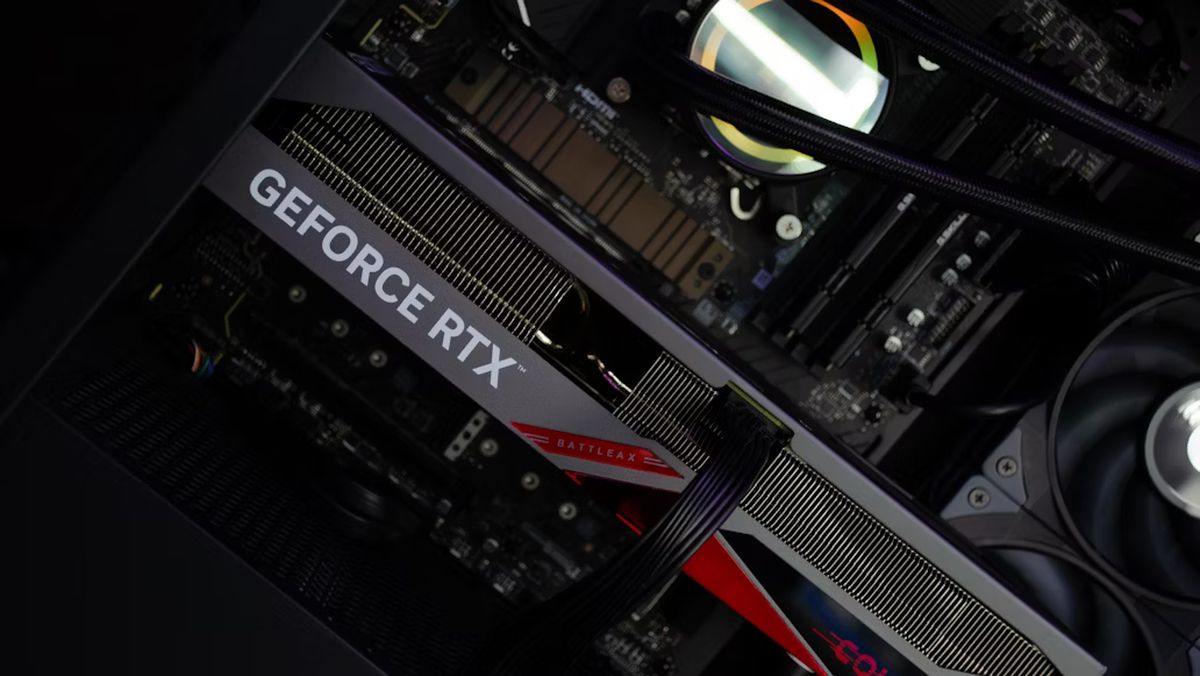

A recent leak has unveiled key details about Nvidia’s anticipated GeForce RTX 5090 graphics card. The card will feature 32 GB of GDDR7 VRAM and is set to debut alongside DLSS 4.0 technology. The reveal comes ahead of Nvidia’s formal announcement planned for the upcoming Consumer Electronics Show in Las Vegas.
Information shared through Videocardz indicates that the retail box of the RTX 5090 confirms a major upgrade in VRAM capacity compared to its predecessor, the RTX 4090, which had 24 GB of GDDR6X memory. The RTX 5090 signals a departure from previous specifications by introducing a striking 32 GB of GDDR7 VRAM. This positions the 5090 as a more capable option, especially with demanding gaming and professional applications on the horizon.
The leak also highlights the RTX 5090’s substantial size, continuing a trend established by previous models in Nvidia’s lineup. The card will utilize a 3.5-slot design, necessitating innovative cooling solutions to manage its power consumption of 575 Watts. The model in focus appears to be the Inno3D iChill X3, which demonstrates a greater width than existing high-end options, raising concerns for users with smaller cases.

While consumers have eagerly awaited the RTX 5090, the launch schedule reveals a staggered approach. The RTX 5080 is expected to be the first in the series to reach the market, with a tentative release set for late January 2025. Although precise availability for the RTX 5090 remains unconfirmed, indications suggest a gap of several weeks between the two launches.
| Specification | RTX 5090 | RTX 5080 | RTX 5070 Ti | RTX 5070 |
|---|---|---|---|---|
| GPU | GB202-300 | GB203-400 | GB203-300 | GB205-300 |
| SMs | 170 | 84 | 70 | 48 |
| CUDA Cores | 21,760 | 10,752 | 8,960 | 6,144 |
| Memory | 32 GB GDDR7 | 16 GB GDDR7 | 16 GB GDDR7 | 12 GB GDDR7 |
| Memory Bus | 512-bit | 256-bit | 256-bit | 192-bit |
| Memory Speed | 28 Gbps | 30 Gbps | 28 Gbps | 28 Gbps |
| Memory Bandwidth | 1,792 GB/s | 960 GB/s | 896 GB/s | 672 GB/s |
| Power Connectors | 1x 16-pin | 1x 16-pin | 1x 16-pin | 1x 16-pin |
| TDP | 575W | 360W | 300W | 250W |
| PCIe Interface | PCIe 5.0 x16 | PCIe 5.0 x16 | PCIe 5.0 x16 | PCIe 5.0 x16 |
| Announcement Date | January 6, 2025 | January 6, 2025 | January 6, 2025 | TBD |
| Launch Date | TBD | January 21, 2025 | TBD | TBD |
Specs taken from VideoCardz
Power and design specifications of the RTX 5090
Investigation into the card’s specifications reveals further intriguing details. Although the retail box design does not provide insight into the power connectors, speculation includes the possibility of twin 16-pin 12VPWR connectors, a rumor that a Chinese power supply manufacturer has recently dismissed. Ultimately, more definitive answers are anticipated by the time Nvidia officially announces the card.
Pricing information about the RTX 5090 has emerged amid ongoing rumors, placing the price range between $2,000 and $2,500. This represents a striking increase from the RTX 4090’s launch price of approximately $1,600. As with any high-performance graphics card, the financial implications will require careful consideration from consumers looking to invest in this technology.
The addition of DLSS 4.0 alongside the RTX 50 series introduces an element of excitement, as Nvidia aims to enhance the performance capabilities of its latest offerings. While full details on DLSS 4.0 are still forthcoming, its introduction is likely to be closely related to the enhanced hardware capabilities embodied by the RTX 5090.
In summary, the forthcoming Nvidia GeForce RTX 5090 combines impressive memory specifications, formidable power requirements, and substantial physical dimensions. As the launch period approaches, lingering questions about its performance, connector type, and market impact remain. All eyes will be on Nvidia’s official announcements to clarify these uncertainties and provide the anticipated specifications for gamers and professionals alike.
Featured image credit: GAMERCOMP.RU/Unsplash