

Today we’ll tell you how to use Google password manager on Android and web browser. Passwords are key to your security and privacy, so you should take care of them as much as possible. This is how you can do it with Google’s password manager.
Passwords are an essential part of the privacy of the personal data we store in our digital services accounts, so you should try to use access codes as securely as possible. Don’t be afraid to set up complicated passwords, you can use the help of password managers to remember them. One of them is Google’s password manager, which in this guide we show you how to use on Android and in the browser.
In addition to not opting for “123456” type passwords or passwords related to basic personal data, such as your date of birth, it is important to use a password manager to take care of your privacy and security. Google’s password manager offers you multiple functions, such as being able to check if your passwords have been compromised to find out that you should change them as soon as possible. So you can use this Google tool on your mobile and computer.
How to use the Google Password Gesture on Android?
On our mobile, we use dozens of digital platforms, such as social networks, where we need a username and password to access. Our online presence is so extensive that it is complicated to remember every password used. Fortunately, your smartphone can remember those codes for you if you employ the help of Google’s password manager.
How to activate the Google password manager in Android?
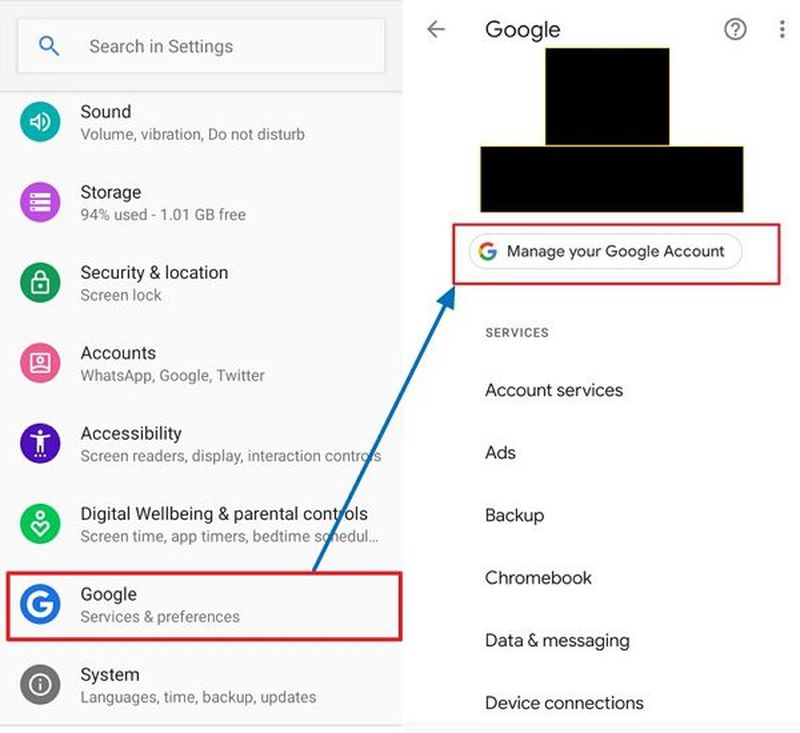
The first step to using this Google tool is to activate it. If you do not know if your Google account already has the activation of the manager, you just need to follow a few simple steps to check it. In addition, now we will see how you can check all stored passwords, edit them, delete them or use that interesting feature that tells you if your passwords have been compromised.
- Open the settings of your cell phone.
- Go to the “Google” section.
- Scroll down and click on “AutoComplete”.
- Go to “AutoComplete with Google”.
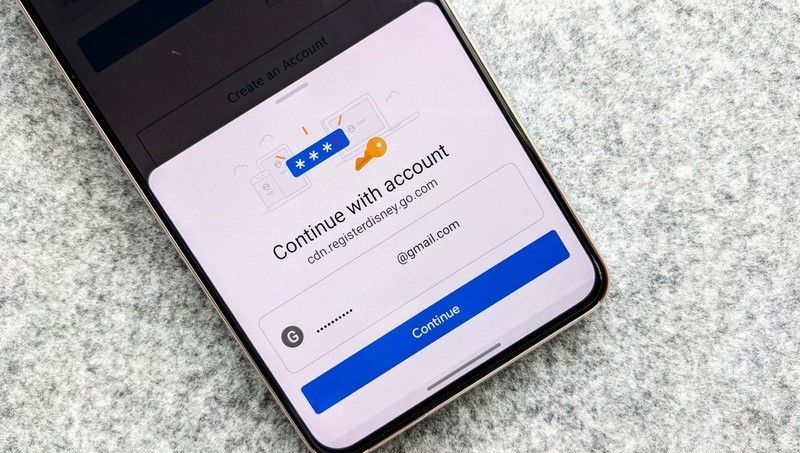
- Enable the “AutoComplete with Google” checkbox to save your passwords and enter the data automatically when you are going to log in. Confirm the operation by clicking on “Continue”.
- Now, go to “Passwords” to see all the passwords stored in your Google account.
- Click on “Check passwords” to check if the saved passwords are secure.
- Click on any service in the list to edit or delete the stored password.
How to add a new password to the manager on Android?
After activating the manager, it’s time to “feed” it with all the passwords you want to save. We already anticipate that this procedure is very easy and very useful for the future. Here are the steps to follow to add a new password to the manager:
- Open the app or website where you want to log in to save your password.
- Enter your username and password.
- Click on “Sign in”.
- Tap “Save” when Google asks if you want to save the password.
How to autocomplete username and password with the manager on Android?
Once you have activated the manager and added the passwords, logging in to your accounts will be a piece of cake, as the password manager saves all the information for you. If you want to use the “Autocomplete” tool with the username and password, here’s what you need to do:
- Open the app or website you want to log in to.
- Click on the text field of the username or email and a lower window with the accounts saved by Google will be displayed. Click on the one you want to log in with.
- Now it’s time to enter your password. Click on the text field and the same window with the saved accounts will be displayed. Select the same one as before to automatically enter the password and, ready, you are logged in.
If in the app or web where you want to log in both the user field and the password appear on the same screen when using “Google AutoComplete”, both fields will be filled in at the same time, you will not have to go one by one as in the example we have explained above.
How to use Google password gesture in Chrome?
The procedures to follow to use Google’s password manager in your browser, Chrome, are different. In this case, the examples will be focused on from the computer to bring a different point of view than in those explained in previous lines.
Here’s what you need to know to get the most out of Google’s password manager in Chrome.
How to activate the password manager in Chrome?
Let’s see how you can activate Google’s password manager in Chrome, as well as edit and delete already stored passwords. Of course, from the browser, you also have access to the password checker to find out if the passwords you are currently using are secure or not.
- Go to the Google Password Manager website.
- Click on the gear icon at the top right to access “Settings”.
- Check the box “Ask if I want to save passwords”. We recommend you analyze this configuration section to enable or disable the available options. For example, you can set Google to send you an alert if it detects that your password is exposed on the Internet. In this section, you can also see the websites and apps where you have refused to save your password.
- Go back to the main screen and click on “Password check” to check the security of your access codes.
- Click on any app or website in the list to access its password, although you will first need to enter your Google password to verify your identity.
- Once inside the stored information, you will be able to view, edit or delete the password.
How to add a password to the manager in Chrome?
Adding a password to the Google manager in Chrome is just as easy as on Android. Just like on the smartphone, from the computer you have to “feed” codes to the Google tool so that it can then do its job for you. Here are the steps to follow:
- Log in to the website you want to save the username and password for.
- Enter the username and password.
- Click on the key icon that appears to the right of the address bar. In the window that pops up, select “Save” to save that username and password. You will also see this window when you log in, without having to click on the key.
How to autocomplete username and password with the manager in Chrome?
You’ve already done all the work, now you just need to let Google’s manager add the username and password information when you want to log in to a website. This is all you have to do:
- Go to the website you want to log in to.
- If Google has not filled in the fields for you, click on “User” to display a small window showing all the accounts stored on that page. Click on the one you want to log in with and the manager will add the information for you.
As you can see, Google Password Manager is a very important tool to protect your privacy while surfing the web. Use it both on Android and on your computer to get the most out of it with the advantage that it is free.


